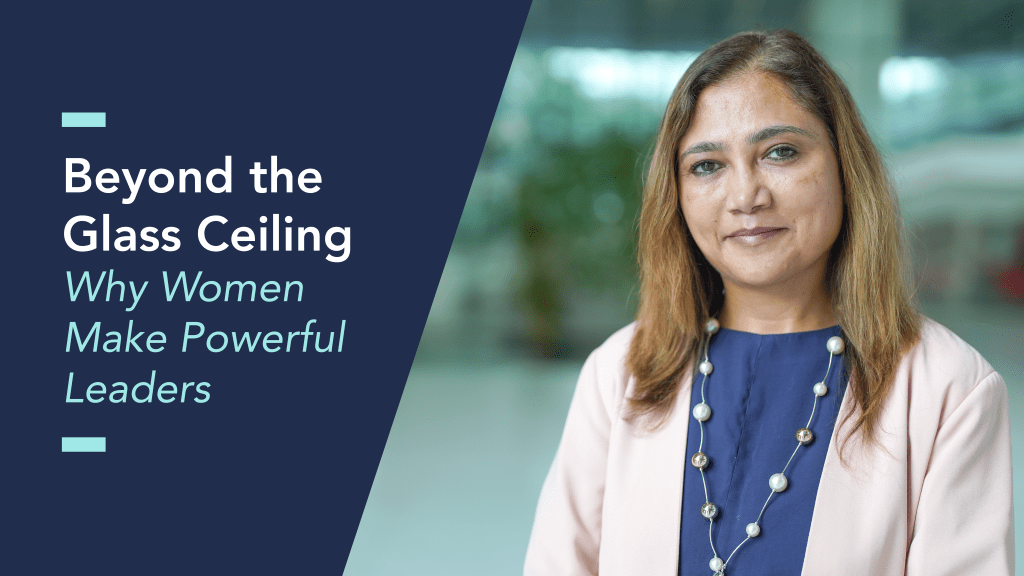
Women have been at the forefront of some of the most remarkable achievements in history, from leading nations to groundbreaking scientific discoveries.
Yet, we still see a disparity in the representation of women in leadership roles across industries.
Have you ever wondered why, today, there is still a debate about whether women can be effective leaders? The truth is leadership is not about gender; it is about one’s abilities, skills, and character. Being a leader is not determined by an individual’s genetic makeup or physical traits, but by their capability to inspire, motivate, and lead others towards a common goal.
This lack of diversity not only limits the potential of women but also hinders the growth and success of organizations. The reality is that women are born to be leaders!
So, why is it that we are still underrepresented in leadership positions?
And there’s actual statistics to back this up!
According to a report by McKinsey & Company, women are underrepresented in leadership roles globally, holding only 40 percent of manager-level positions, 34 percent of vice president and senior manager roles, and 26 percent of C-suite positions. The World Economic Forum’s Global Gender Gap Report 2021 found that it will take another 135.6 years to close the gender gap in leadership positions, based on current trends.
Now, isn’t that concerning?
It’s no secret that women still face several challenges when climbing the corporate ladder. Sure, we’ve made some progress over the years, but there’s still a lot of work to be done.
One of the biggest issues is the fact that people still hold onto old-fashioned stereotypes and biases about women in the workplace, especially the whole “women aren’t as committed to their careers” thing. This couldn’t be farther from the truth, but unfortunately, it’s still a prevalent mindset. And let’s not forget about how women are often penalized for taking time off to start a family or pursue flexible work arrangements. This creates a huge disadvantage for us, making it that much harder to excel at work.
So what’s the solution? Well, we need to keep pushing back against these biases and creating more inclusive work environments. It’s time for us to value and support women’s leadership potential, because let’s face it – we’ve got a lot to bring to the table.
In fact, research has shown that companies with a higher representation of women in leadership positions tend to have better financial performance, improved innovation, and stronger corporate social responsibility.
But why is that?
First, women tend to have a more collaborative leadership style. We’re often more focused on building relationships and fostering teamwork, rather than just commanding from the top down. This approach can lead to more engaged and motivated employees, as well as better problem-solving and decision-making. Another reason why women make great corporate leaders is our ability to empathize with others. We tend to be more in tune with the emotions and needs of those around us, which can make us better at managing conflicts and creating a positive work environment. And let’s not forget about our strong communication skills. Women are often great communicators, able to articulate ideas and build consensus among diverse groups of people. This can be a huge asset in the corporate world, where effective communication is essential for success.
But the bottom line is this: diversity in leadership is good for business. When we have more women in positions of power, we’re better able to tap into a wider range of perspectives and experiences. And that can only lead to better outcomes for everyone involved.
Women have proven time and time again that they are a force to be reckoned with. Take Indra Nooyi, the former CEO of PepsiCo, for instance. Under her leadership, the company focused on healthier products and sustainability, which not only improved PepsiCo’s bottom line but also had a positive impact on society. Or consider Reshma Saujani, the founder of Girls Who Code, who has dedicated her career to closing the gender gap in tech and empowering young women to pursue careers in STEM. These women, and countless others, have shown that female leaders bring a unique perspective and skill set to the table, making them a valuable asset in any corporate leadership team.
However, achieving greater representation of women in leadership roles requires a significant shift in the current paradigm.
As HR professionals, how can we bring about a change?
There are a few key things we can do to contribute to the global effort of promoting women’s leadership. Firstly, we can work to address any biases or barriers that might be preventing women from rising the ranks. This could involve things like providing training on unconscious bias or examining company policies to make sure they’re fair and inclusive.
Secondly, we can actively promote leadership roles to women in the organization and encourage them to apply. This might involve showcasing successful women leaders as role models, providing networking opportunities, or creating leadership development programs specifically for women.
Thirdly, we can offer mentorship and coaching programs to help women develop their leadership skills. This kind of support can be especially valuable for women who might not have had as many opportunities for leadership development in the past.
Finally, we can work to create a more flexible and family-friendly workplace culture that supports both men and women in their roles as caregivers. This might involve offering flexible work arrangements, parental leave, or other benefits that help employees balance their work and personal responsibilities.
It’s not always easy, but by working together, we can make a real difference in promoting gender equality and creating a more just and equitable society.
How are we making a difference at Godrej Capital?
At Godrej Capital, we believe that gender should not be a barrier to leadership. That’s why we’re proud to have women leaders in our top hierarchy, including C-suite positions. All of this was made possible, thanks to our dedication to advancing the careers of women in our organization through a range of programs and initiatives. From the very beginning, we’ve been focused on diversity, equity, and inclusion. It’s an integral part of everything we do, from our policies to our employee resource group (ERG) community-driven initiatives. As a company, we have always strived to create a culture where diversity is not just a mandate, but a quiet everyday commitment.
And we’re seeing results! We ended FY22 with a strong 33% gender diversity across all levels, including our leadership ranks. We enjoy 43% gender diversity in our C-suite and have 32% gender diversity in our senior management team. These is representation that we’re incredibly proud of, but we know that there’s still more work to be done. We’re continually exploring new ways to promote diversity in our organization, like our referral program called RefHer. It was exclusively designed to invite female professionals from all walks of life to join our team and help us foster an even more diverse and inclusive work environment.
We’ll continue to focus on DEI in our everyday practices, and we’re committed to driving change not just within our organization but also in the wider community.
Bottomline?
It’s high time for organizations to recognize the immense value of women leaders in the twenty-first century. Not only do they bring a unique perspective and skillset to the table, but they also have empathy and emotional intelligence, which are necessary in a world where we are overwhelmed with differences, key among them being culture, gender, values, language, behaviors, personal preferences and workplace norms. By empowering women with leadership roles, companies can achieve greater diversity, improve workplace culture, and enhance overall performance and success. But let’s be real, this isn’t going to happen overnight. It’s going to be a challenging journey that requires the support and participation of everyone in the company.
The power of female leadership is undeniable. As we celebrate International Women’s Day, let us honour those who have paved the way for us, embrace equity within our own sphere of influence and amplify the voices of women in leadership positions.
It’s time we roll up our sleeves, break down the barriers, and make concerted efforts to create a more diverse and dynamic future.
 Ruhie Pande